
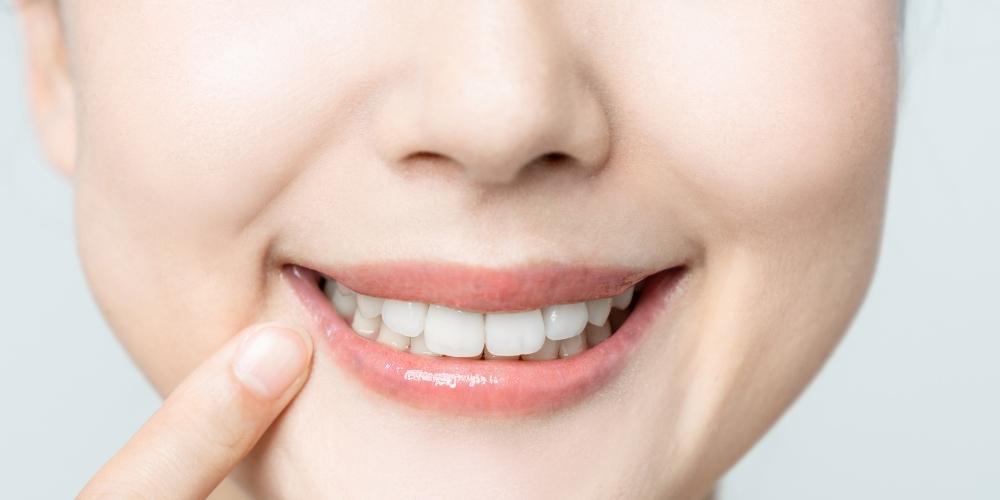
Bonding is an extremely effective method for repairing fractures in the teeth and is also applied during smile design. In other words, in addition to correcting functional defects, it is also important for achieving an aesthetic appearance. The main advantages of bonding are as follows:
- No cutting or abrasion is performed during tooth reshaping.
- Gaps between the teeth can be closed without the need for tooth cutting.
- By lengthening the teeth, a more aesthetic appearance can be achieved during speaking or smiling.
- It is much more affordable compared to porcelain applications.
- It can be applied as a trial before porcelain treatment so patients can see what their appearance will look like.
- No anesthesia is required.
- It is one of the fastest solutions applied to eliminate dental problems.
The only disadvantage of bonding is that the material used is not as hard as the natural tooth structure. Therefore, it may chip when biting hard objects. For this reason, the lifespan of the application is usually a few years. Of course, oral care and the amount of bonding material used are also determining factors for its durability. It is also recommended that individuals who undergo bonding have regular dental check-ups to monitor the condition of the fillings.

Patient Reviews
The opinions and satisfaction of our patients after the procedure...
Asl*** G***
Pyogenic Granuloma
I had previously undergone pyogenic granuloma surgery with him. Before the surgery, I was experiencing constant bleeding from my nose. After the operation, I regained my health. Thank you, he was very attentive.
Asl*** G***
Pyogenic Granuloma
I had previously undergone pyogenic granuloma surgery with him. Before the surgery, my nose was bleeding constantly. After the operation, I regained my health. Thank you, he was very attentive.
Asl*** G***
Pyogenic Granuloma
I had previously had pyogenic granuloma surgery with him. Before the surgery, my nose was bleeding continuously. After the operation, I regained my health. Thank you, he was very attentive.
Asl*** G***
Pyogenic Granuloma
I had previously undergone pyogenic granuloma surgery with him. Before the surgery, my nose was constantly bleeding. After the operation, I regained my health. Thank you, he was very attentive.
Asl*** G***
Pyogenic Granuloma
I had previously undergone pyogenic granuloma surgery with him. Before the surgery, my nose was bleeding all the time. After the operation, I regained my health. Thank you, he was very attentive.
Asl*** G***
Pyogenic Granuloma
I had previously had pyogenic granuloma surgery with him. Before the surgery, my nose was bleeding constantly. After the operation, I regained my health. Thank you, he was very attentive.
Asl*** G***
Pyogenic Granuloma
I had previously undergone pyogenic granuloma surgery with him. Before the surgery, my nose was bleeding continuously. After the operation, I regained my health. Thank you, he was very attentive.
Asl*** G***
Pyogenic Granuloma
I had previously undergone pyogenic granuloma surgery with him. Before the surgery, my nose was bleeding constantly. After the operation, I regained my health. Thank you, he was very attentive.