
In particular, ceramic crowns are applied in cases where oral aesthetics are a priority, providing long-term use thanks to their non-discoloring structure. Ceramic crowns are highly successful in correcting oral imperfections and giving teeth high durability, making them one of the most preferred methods in smile design.
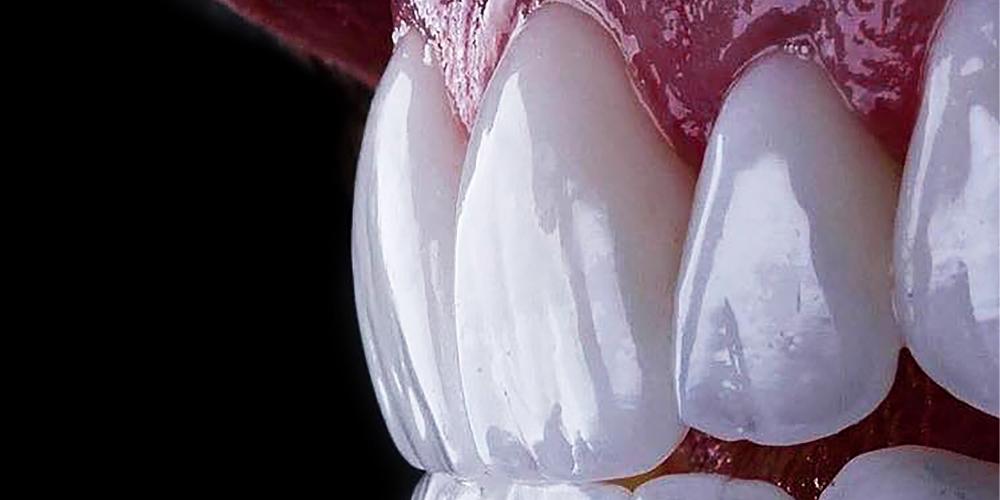
In addition to providing an attractive appearance, it also restores oral functions lost due to missing teeth
What Is a Ceramic Crown?
Ceramic crowns are dental restorations that have a natural appearance close to real teeth, which is why they are preferred in cases where aesthetics are a priority. Especially when applied to front teeth, ceramic crowns are popularly known as “porcelain crowns” and are categorized into different types depending on whether the material used is single-layered or supported by a substructure:
Porcelain Laminate
These are extremely thin layers placed on the tooth surface, also known as veneers, which can be prepared in the desired shade. They are particularly applied to front teeth and used in smile design for aesthetic purposes. They contain no metal and are highly resistant to fractures, making them very effective in correcting discolored or broken teeth.
Zirconium Crown
Made from naturally occurring white zirconium metal, these crowns can be applied to both front and back teeth. Zirconium crowns are extremely strong, offer an aesthetic appearance, and provide excellent compatibility within the mouth.
Metal-Supported Crown
In this type, porcelain is reinforced with different metals during fabrication to restore the required strength and function to the tooth. Metal-supported crowns show high compatibility with dental tissue but have a matte, non-translucent appearance. For this reason, they are not ideal for front teeth where aesthetics are crucial, though they can still be chosen depending on preference.
Full Porcelain Crown
Also known as Empress or full ceramic crowns, these are made entirely of porcelain without any metal reinforcement. They are highly durable and natural-looking, produced by strengthening porcelain material to match the natural structure of teeth. This makes them particularly long-lasting.
Ceramic crowns, which are highly biocompatible, can be easily applied to crooked, broken, or misshapen teeth. They can also be used in cases of tooth decay that cannot be treated with traditional fillings or when there are missing teeth. Ceramic crowns are chosen to both restore lost oral functions and create an aesthetic smile design, making them ideal for patients who want restorations closest to natural teeth.
Recent Comments