
Dental fillings play a significant role in preventing tooth loss in the mouth and ensuring the continuity of functions such as chewing, biting, and speaking.
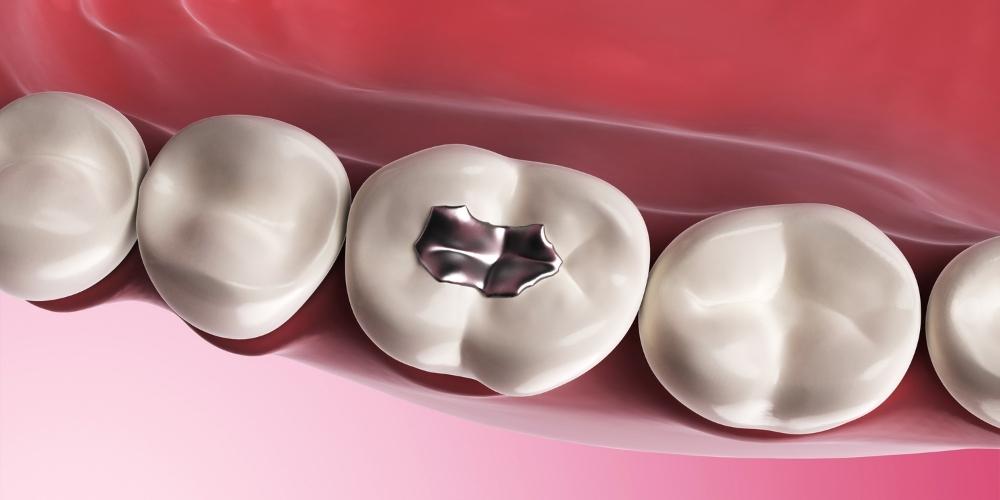
The type of filling applied in the treatment of cavities, fractures, or cracks varies depending on the patient’s preference and possible allergies. Although some temporary sensitivity may occur after the procedure, an effective filling treatment eliminates oral problems while also preserving the visual integrity of the mouth.
Why Are Dental Fillings Done?
The main purpose of dental fillings is to restore decayed, fractured, or cracked teeth. Using various filling materials, dental fillings prevent the damaged tooth tissue from progressing deeper and causing tooth loss. After cleaning the decay and infection in the affected area, the cavity is filled, restoring the tooth’s appearance and function. This eliminates problems related to eating, chewing, and speaking.
How Are Dental Fillings Done?
In a dental filling procedure, the treatment area must first be thoroughly cleaned. The dentist removes the decay by drilling and cleans the tooth of any debris. Since local anesthesia is applied during the procedure, the patient does not feel pain or discomfort.
After cleaning, the cavity is filled with a filling material chosen according to the patient’s preference. The selected material is then placed into the cavity.
During this step, the patient is asked to bite down to check for height differences and proper placement of the filling. If needed, the filling is filed down to ensure comfort and alignment in the mouth.
After the procedure, patients are advised to avoid eating for a certain period, as recommended by the dentist, to reduce sensitivity. In addition, consuming very hot or very cold foods and drinks should be avoided, especially in the first few days. The specific recommendations vary depending on the type of filling used and the patient’s sensitivity level.
Types of Dental Fillings
Dental fillings are generally divided into three types. Having different material options is a significant advantage, especially for those with allergies to certain substances. The main types of fillings are:
Amalgam Fillings
Made from a mixture of mercury, tin, copper, and silver, amalgam fillings have a gray metallic color and are mostly used on back teeth. They are highly resistant to chewing and pressure forces, offering long-lasting use at an affordable cost. However, they are less preferred for aesthetic reasons and are not recommended for people with mercury allergies.
Composite Fillings
Also known as white fillings, composite fillings are made from a plastic mixture with silica particles. Their white color allows for visual harmony in the mouth, and they can be applied to both front and back teeth. While more expensive than amalgam, they are also highly durable.
Porcelain Fillings
Among all types, porcelain fillings offer the most aesthetic appearance and closely resemble natural tooth color. The process generally requires two sessions: in the first, an impression of the mouth is taken and a temporary filling is placed; in the second, the custom-made porcelain filling is fitted.
Recent Comments