
Lack of tooth brushing habits, as well as consumed foods, aging, and many other factors, can cause teeth to become stained and lose their whiteness. Although individuals may make personal efforts to whiten their teeth again, these attempts usually do not yield results. Therefore, teeth whitening procedures should be carried out under the supervision of a dentist and planned specifically for each patient.
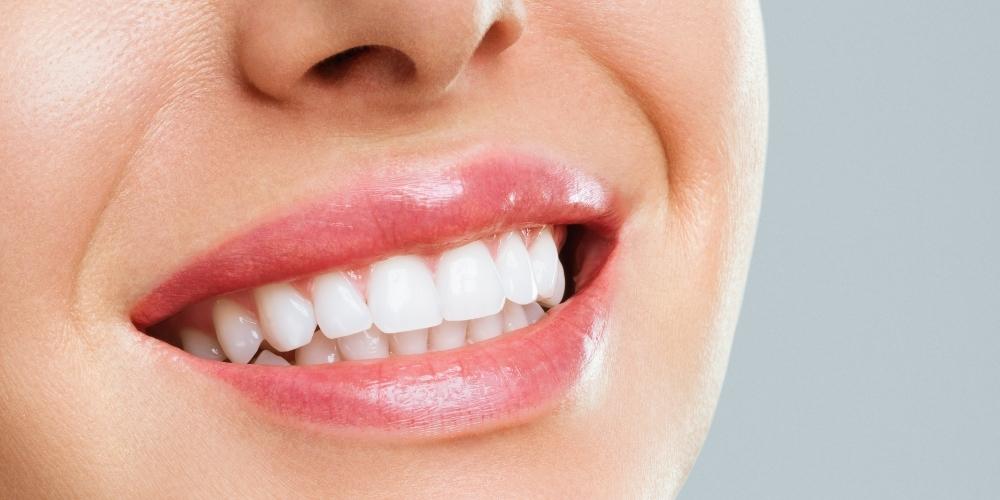
What Are the Causes of Tooth Staining?
Tooth discoloration can result from internal or external factors of the tooth, as well as from conditions such as aging. The most common causes of tooth staining include:
- Excessive use of fluoride or tetracycline-containing medications during childhood
- Experiencing febrile illnesses during tooth development and eruption
- Use of antibiotics during pregnancy
- Tooth fractures caused by trauma
- Tooth decay or dental infections
- Staining beverages such as tea, coffee, wine, cola, and dark-colored fruit juices
Teeth whitening procedures can be performed using different methods, depending on the extent of the discoloration. The method to be used will be determined by your dentist.
Teeth Whitening Methods
There are three different methods used in teeth whitening: home whitening, office whitening, and single-tooth whitening.
Depending on the extent of tooth discoloration, only one of these methods may be applied, or all can be combined. The details of these methods are as follows:
- Home Whitening: This method is designed to be applied while the patient is asleep. An impression of the teeth is taken by the dentist and sent to a laboratory, where a custom tray is prepared to fit the patient’s teeth. Before going to bed, the patient places a whitening gel into the tray and wears it overnight. The desired whitening is usually achieved within a few weeks.
- Office Whitening: This method has a shorter application time, making it ideal for people with busy schedules or limited time. In office whitening, the soft tissues are isolated with a protective material, and a whitening gel is applied to the teeth. Immediately after, a laser is used to activate the gel. Depending on the condition of the teeth, two sessions performed one week apart are usually sufficient.
- Single-Tooth Whitening: This method is suitable for teeth that have undergone root canal treatment. First, the filling on the tooth is removed. Whitening gel is then applied to the cavity, and a temporary filling is placed. This procedure can be repeated every three days until the desired whiteness is achieved.
After teeth whitening, it is important for individuals to maintain proper oral hygiene to preserve the whiteness of their teeth. Following the dentist’s recommendations is crucial, as this helps prevent the need for repeating the procedure in a short period of time.
Recent Comments